Edible Wild Plants

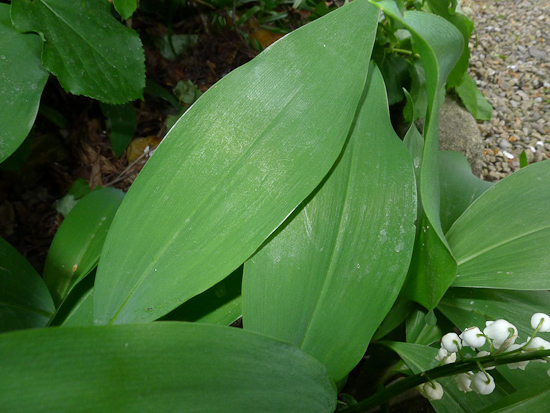
How to Avoid Mistaking Lily-of-the-Valley for Ramsons

Lily-of-the-Valley is a poisonous plant found in woodlands in the northern hemisphere, the leaves of which resemble Ramsons, the familiar wild food plant also known as wild garlic. Like Ramsons, Lily-of-the-Valley can form extensive… Read more >> Read more >>

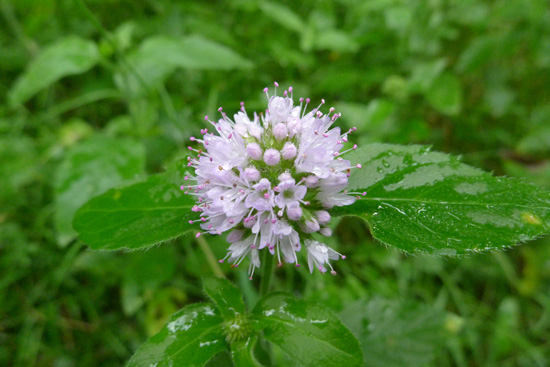
Water Mint, Mentha Aquatica

Water Mint, Mentha aquatica has a wide distribution across Europe (except the far north), Asia and Africa. It is the most common of the wild mints in the British Isles but is less frequent in Scotland. It has a number of food and medicinal uses and is therefore a useful plant to know for foragers and those interested in bushcraft and survival. As its name suggests…Read more >> Read more >>

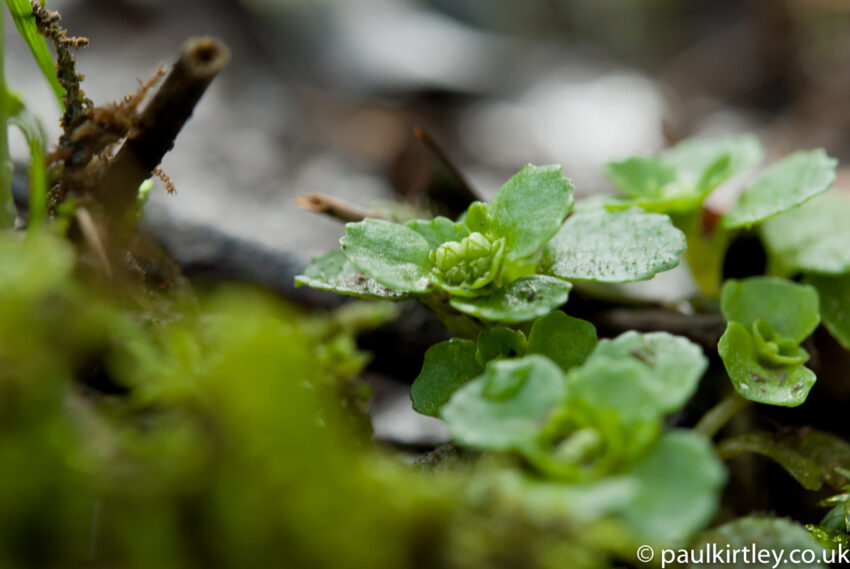
How to Tell the Difference Between Chickweed and Yellow Pimpernel

Yellow pimpernel, Lysimachia nemorum, is a small hairless plant, with leaves of a similar shape and size to those of Common Chickweed, Stellaria media. Common Chickweed is an edible wild green that… Read more >> Read more >>

Hottentot Fig, Carpobrotus edulis

The Hottentot Fig, Carpobrotus edulis is a southern African plant. Introduced to Europe, the plant can be found entirely naturalised in some coastal habitats, particularly sea cliffs and sand-dunes. The plant tends be quite… Read more >> Read more >>

Yellow Archangel, Lamiastrum galeobdolon

Yellow Archangel, Lamiastrum galeobdolon, is a widespread European woodland plant that is fond of heavy soils. It will grow in very shady areas but also likes some sun and can pop up in abundance in areas that have been coppiced. It can also be found on waysides and verges. In the UK the plant is found more in the south and is relatively widespread as far north as Yorkshire, but less so… Read more >> Read more >>

Red Dead-Nettle, Lamium Purpureum

Red Dead-nettle, Lamium purpureum, is a common plant of country tracks and hedgerows. It is often found on or near farmland and sometimes described as an arable weed. Similar to other dead-nettles it has toothed, heart-shaped leaves. Red Dead-nettle, however, bears much less… Read more >> Read more >>

White Dead-Nettle, Lamium Album

Even though White Dead-nettle is not an aromatic herb like some of its other family members, it is edible. White Dead-nettle, Lamium album has toothed, heart-shaped leaves that look very similar to the leaves of Stinging Nettle, Urtica dioica, a plant which is familiar to many. White Dead-nettles and Stinging Nettles also share other charcteristics such as having leaves arranged… Read More >> Read more >>

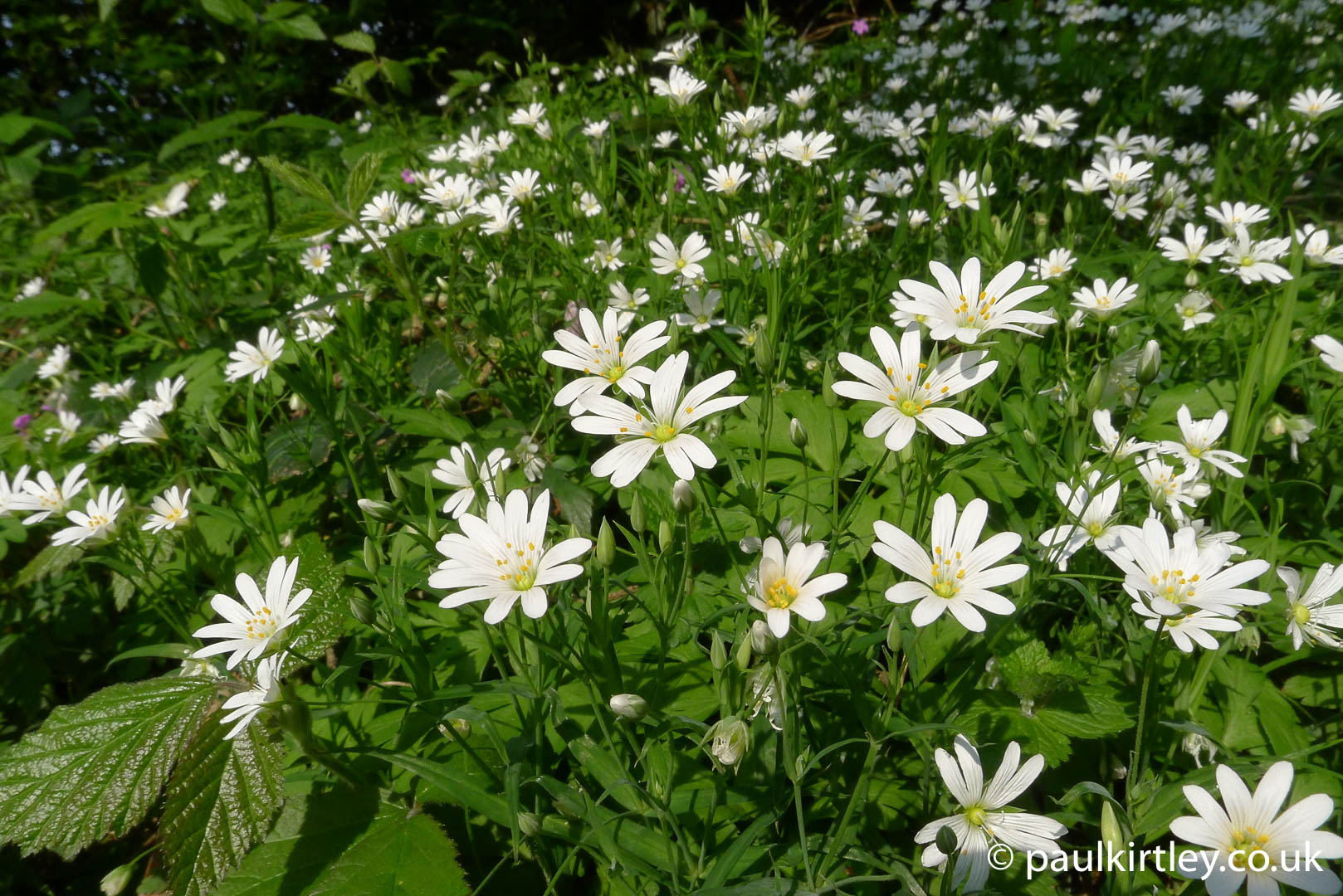
Greater Stitchwort, Stellaria holostea

Greater Stitchwort, Stellaria holostea, is a very common plant of wayside verges and open woodlands. Until it flowers, however, it is easily missed. Greater Stitchwort is a relative of Common Chickweed, Stellaria media, and like Chickweed, Greater Stitchwort is an easily-collected source of edible wild greens… Read more >> Read more >>

Common Dog-violet, Viola riviniana: Spring herbage

Common Dog-violet, Viola riviniana, is the most common violet in the UK and provides some useful herbage for a wild salad. The leaves have a pleasant flavour with only a little bitterness and making it a wild food worth picking up as you forage, particularly in the spring. It flowers March to May and is then easy to spot but a little less so at other times. The leaves and flowers are edible… Read more >> . Read more >>

Primrose, Primula vulgaris: Wild food?

The primrose is widespread throughout the UK and Europe. The flowers and leaves are often described as edible but there is research that suggests handling the plant might cause allergic contact dermatitis in some people…Read more >> Read more >>